UAE Leads GCC Property Market as Real Estate Sector Forecast to Reach $260.3 Billion by 2034
The UAE accounted for more than 61% of the GCC real estate market in 2025, while residential property and sales remained the region’s largest market segments, according to IMARC Group.
The Gulf Cooperation Council’s real estate sector is projected to expand significantly over the next decade, supported by infrastructure investment, population growth, tourism and government-led economic diversification. The market is estimated to grow from $151.1 billion in 2026 to $260.3 billion by 2034, representing a compound annual growth rate (CAGR) of 7.03%, according to a report by market research firm IMARC Group.
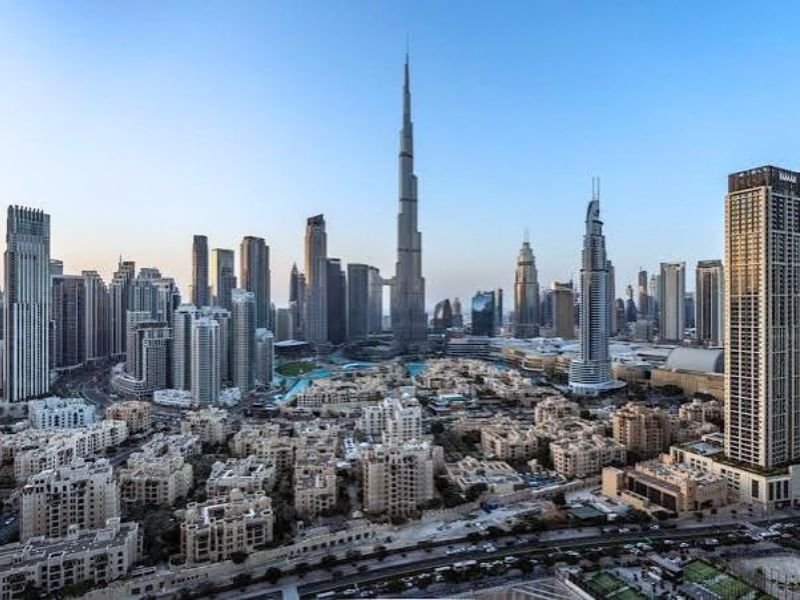
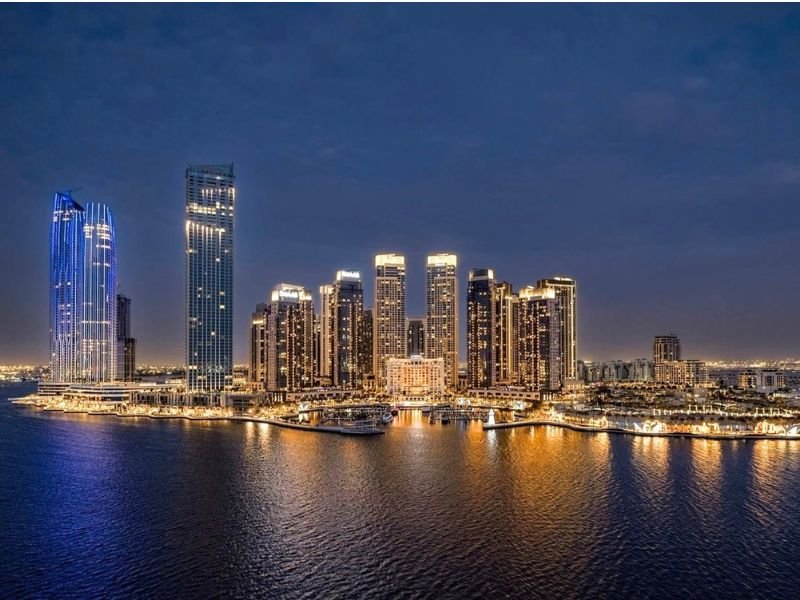
The report estimates that the regional market was valued at $141.2 billion in 2025. The UAE dominated the GCC real estate sector in 2025, representing over 61.1% of the regional market, with Dubai and Abu Dhabi emerging as key hubs for property investment and development.
major centres for property development and investment.
The findings highlight the UAE’s importance within the regional real estate landscape, as developers and investors respond to changing housing requirements, commercial demand and the expansion of technology-enabled urban developments.
Residential Property Remains the Largest Segment
Residential real estate represented approximately 64.7% of the GCC market in 2025, making it the largest property category covered in the report.
Demand is being supported by urbanisation, population growth and continued investment in housing. The market includes a broad range of developments, from apartments and affordable homes to luxury villas and integrated residential communities featuring retail outlets, schools, healthcare facilities and leisure amenities.
Property sales also accounted for the largest share of the market by business activity, representing approximately 64.3% in 2025. According to IMARC Group, investor interest and off-plan developments offering staged payment options are among the factors supporting sales activity across the region.
Despite the growth of online property services, offline transactions remained dominant, accounting for an estimated 79.2% of the market. Direct engagement with brokers and developers continues to play an important role in high-value property purchases, although digital tools are increasingly complementing traditional sales channels.
Infrastructure Investment and Economic Diversification Support Growth
Large-scale government investment is a key factor shaping the GCC property sector. Across the region, authorities are developing transport networks, new urban districts, business hubs and tourism destinations as part of wider economic diversification strategies.
In the UAE, projects such as Masdar City in Abu Dhabi reflect efforts to combine urban development with sustainability and advanced technology. Kuwait is also investing in new urban infrastructure, including the Saad Al-Abdullah development, which the report identifies as a smart-city initiative.
These projects can support demand for residential, commercial, industrial and land assets by creating new centres for employment, business activity and population growth.
Regulatory measures are another factor influencing investment. Long-term residency programmes, changes to foreign property ownership rules and policies designed to attract international businesses have helped strengthen the region’s appeal to overseas investors.
Tourism and Population Growth Add to Housing Demand
The expansion of tourism and hospitality is creating further opportunities for real estate development across the GCC. New attractions, hotels, entertainment destinations and transport infrastructure are increasing activity in several urban and leisure-focused markets.
In destinations such as Dubai, demand from international visitors can also support investment in hospitality properties and short-term accommodation. Saudi Arabia’s tourism ambitions are contributing to development activity as the Kingdom expands its visitor economy and pursues its wider Vision 2030 objectives.
Population trends are also expected to influence long-term housing requirements. Growing urban populations and the movement of expatriate workers into major employment centres are increasing the need for residential properties and supporting infrastructure.
Saudi Arabia’s major cities, particularly Riyadh and Jeddah, remain important areas of development activity as the country continues to invest in housing, mixed-use projects and new urban communities.
Proptech and Artificial Intelligence Gain Ground
Technology is becoming an increasingly important part of the GCC real estate industry, influencing how properties are marketed, managed and sold.
Digital property platforms are introducing features such as AI-supported searches, verified listings, virtual tours and video-based property presentations. These tools can help prospective buyers compare options and explore properties remotely before arranging viewings.
Developers are also using virtual reality and other digital solutions to improve the customer experience and present projects to potential investors. Meanwhile, smart-home systems and connected building technologies are becoming more prominent in new developments.
Saudi Arabia’s smart-city initiatives are contributing to demand for technology-enabled housing and mixed-use projects. Across the region, developers are also exploring how automation and data analysis can support building maintenance, energy management and operational efficiency.
The growing use of digital property services is creating opportunities for developers, real estate agencies and technology providers as the sector adapts to changing customer expectations.
UAE Maintains a Leading Position in the Regional Market
The UAE’s substantial share of the GCC real estate market reflects the scale of its property sector, established investment destinations and continued development activity.
Dubai and Abu Dhabi remain central to the country’s real estate offering, attracting interest across residential, commercial, hospitality and mixed-use segments. Investment in infrastructure, digital services and new communities continues to shape the market’s development.
Other GCC countries are pursuing their own growth strategies through urban expansion, tourism investment and major development programmes. This is contributing to a more diverse regional market, with opportunities varying by country, property type and investment objective.
According to IMARC Group’s projections, the GCC real estate market could reach $260.3 billion by 2034. The forecast points to potential long-term expansion, although actual performance will depend on economic conditions, investment levels, regulatory developments and the balance between property supply and demand.
For the UAE, maintaining its position will depend on how effectively its property sector responds to evolving buyer preferences, international investment flows, sustainability requirements and the adoption of new technologies.