Abu Dhabi’s Eagle Hills to Launch New Housing and Tourism Projects in Syria
Projects in Damascus and Latakia are expected to support more than 40,000 jobs as Syria seeks to attract investment and expand its housing supply
Abu Dhabi-based developer Eagle Hills is preparing to launch two major residential and tourism developments in Syria under a new framework agreement with the Syrian government.
The projects will be developed in Damascus and Latakia, with the combined investment value yet to be announced. According to Syria’s Arab News Agency, the developments are expected to generate more than 40,000 employment opportunities.
The agreement was signed in Damascus at the People’s Palace in the presence of Syrian President Ahmad Al Shara. Eagle Hills signed the framework with Syria’s ministries responsible for public works, housing and tourism.
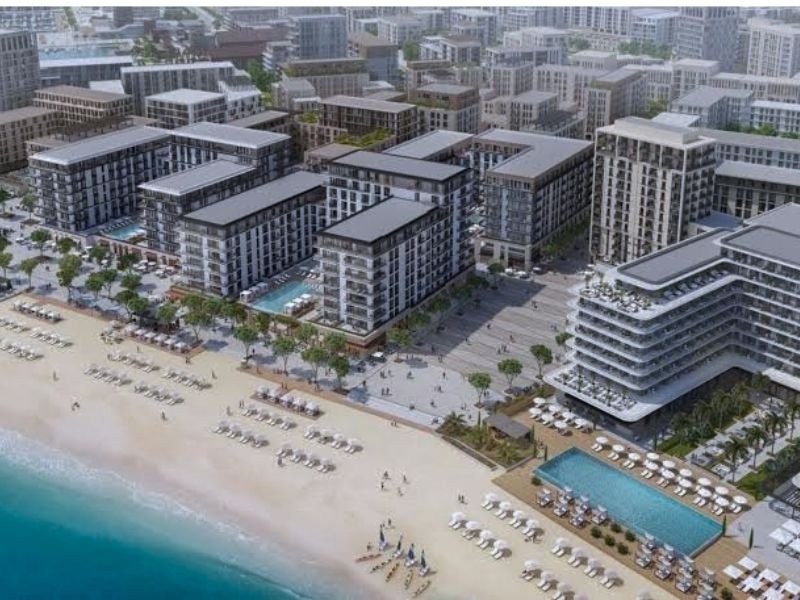
The planned developments comprise the Tadamun Towers project in Damascus and the Eco Life tourism development in Latakia.
According to Eagle Hills founder and chairman Mohamed Alabbar, the projects are intended to bring together residential communities, essential services and employment opportunities while also creating opportunities for Syrian businesses and professionals to participate in their development.
Alabbar said the developments are envisioned as communities offering housing, services and employment, while encouraging Syrians both inside the country and overseas to contribute to Syria’s reconstruction and investment activity.
The Eagle Hills chairman has previously indicated that he could invest up to $18 billion in Syria. His earlier plans included between $5 billion and $7 billion in projects along the Syrian coast, with investments of up to $11 billion planned for Damascus and surrounding areas.
The latest developments come as Syria works to rebuild its economy, strengthen its infrastructure and attract greater levels of domestic and international private investment.
Housing is expected to remain a major area of focus. Syria has set a target of building or rehabilitating two million homes by 2035 as it addresses significant housing shortages. Funding is expected to come from a combination of government resources, private-sector investment, partnerships and overseas capital.
Under the country's planned development model, government-owned land could be made available through the General Housing Establishment, while private investors would be responsible for developing housing, infrastructure and related facilities.
The return of Syrians from abroad could also contribute to future demand for residential property. More than 1.7 million Syrians are estimated to have returned to the country between December 2024 and April 2026, according to the United Nations refugee agency.
Arada also plans major Damascus development
Eagle Hills is not the only UAE-based developer exploring opportunities in Syria.
Arada is planning a $7 billion mixed-use development west of Damascus, with construction expected to take place in phases over a period of 10 years.
The proposed project is expected to include approximately 11,000 homes, covering apartments, villas, townhouses and branded residences. Plans also include 500 hotel rooms and 1,000 serviced apartments.
The wider community is expected to feature two schools, a hospital, office space and retail facilities, creating a combination of residential, hospitality, education, healthcare and commercial uses.
Arada Group Chief Executive Ahmed Alkhoshaibi has highlighted strong demand for higher-quality housing in Syria, both from people currently living in the country and from Syrians based overseas.
The overseas Syrian community could represent an additional source of demand, with potential buyers interested in purchasing homes, investment properties or holiday residences.
The growing interest from UAE-based developers reflects the wider potential being seen in Syria as reconstruction gathers pace and new investment opportunities emerge across housing, tourism and mixed-use real estate.