Dubai’s Major Infrastructure Projects Set to Unlock New Real Estate Investment Opportunities
The AED 128 billion Al Maktoum International Airport expansion and AED 20.5 billion Dubai Metro Blue Line could reshape property demand and boost the appeal of emerging communities.
Dubai’s expanding infrastructure network is expected to create new opportunities across the emirate’s residential and commercial property markets, with major transport projects improving connectivity and supporting urban growth.
According to a study by W Capital Real Estate Brokerage, the expansion of Al Maktoum International Airport, the Dubai Metro Blue Line, the Fourth Federal Corridor and Etihad Rail could influence future property investment trends by connecting communities with employment centres, business districts and essential services.
The brokerage noted that accessibility, transport links and integrated community facilities are becoming increasingly important factors in evaluating real estate investment opportunities.
Dubai Metro Blue Line Could Increase Property Values
The AED 20.5 billion Dubai Metro Blue Line will extend across 30 kilometres and include 14 stations, connecting established and emerging districts such as Dubai Creek Harbour, Dubai Festival City, International City, Dubai Silicon Oasis, Dubai Academic City, Mirdif and Al Warqa.
According to projections cited by W Capital, property and land values around Blue Line stations could increase by up to 25%. By 2040, the project is projected to deliver over AED 56.5 billion in combined economic, social and environmental benefits.
The line is projected to serve communities with more than one million residents, with daily passenger numbers expected to reach 200,000 by 2030 and approximately 320,000 by 2040.
According to CBRE data cited in the study, residential properties located within a 15-minute walk of Dubai Metro Red Line stations saw average prices rise by 26.7% from 2010 to 2022, exceeding the 24.1% growth recorded across Dubai’s overall residential market.
These figures suggest that convenient public transport access can support property demandHowever, future property price trends will also be shaped by market supply and demand, construction standards and the quality of nearby facilities.
Al Maktoum International Airport Expansion to Drive Growth in Dubai South
The AED 128 billion expansion of Al Maktoum International Airport is expected to boost Dubai South’s development as a major hub for aviation, logistics and business activities.
The planned airport capacity will reach up to 260 million passengers annually, with five parallel runways and 400 aircraft gates.
W Capital expects the expansion to create new jobs and increase demand for residential and commercial properties as aviation and logistics businesses continue to expand.
The brokerage reported that Dubai South recorded 2,869 real estate transactions worth AED 3.3 billion in June 2026. The area's long-term potential will also depend on the development of transport links, commercial facilities and integrated residential communities.
Fourth Federal Corridor to Improve Connectivity
The approximately 80-kilometre Fourth Federal Corridor is planned to connect Al Faya Road in Abu Dhabi with Al Shnouf Road in Sharjah through Dubai.
The first phase carries an estimated investment of AED 3.5 billion, while the overall project includes plans for 72 bridges, 17 tunnels and 45 stormwater drainage crossings.
The first phase aims to cut journey times from 35 minutes to around 14 minutes and accommodate up to 24,000 vehicles per hour in both directions.
According to W Capital, improved road connectivity could make emerging residential and mixed-use destinations more attractive to developers, residents and investors by reducing travel times to major economic centres.
However, the resulting impact on property demand will depend on local market conditions and the availability of supporting infrastructure.
Etihad Rail Could Expand Investment Opportunities Across the UAE
Etihad Rail is expected to strengthen connections between major cities, business districts and employment centres. Its planned passenger network will link 11 cities and areas across the UAE, including connections serving Dubai, Abu Dhabi, Sharjah and Fujairah.
W Capital believes that improved inter-emirate transport, combined with metro services, highways and airport infrastructure, could support demand for properties in locations with better accessibility.
These developments may broaden investment opportunities beyond established prime districts, although outcomes will vary depending on station locations, service access and the maturity of surrounding communities.
Infrastructure and Urban Planning to Shape Dubai’s Property Market
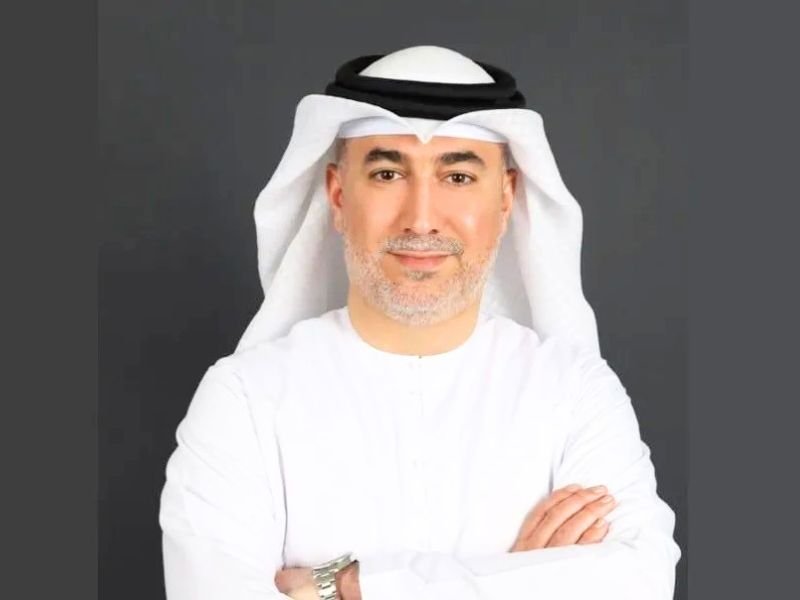
Walid Al Zarooni, Chairman of W Capital Real Estate Brokerage, said infrastructure investment is becoming an important influence on Dubai’s real estate growth.
He highlighted that investors are increasingly considering how future transport networks, employment centres and community facilities could affect a property's long-term appeal, rather than focusing solely on its current location.
Nevertheless, improved infrastructure does not guarantee price increases across every connected area. Property performance will continue to depend on supply, demand, construction quality, affordability and the availability of essential services.
Developments that combine transport access with schools, healthcare, retail facilities and green spaces could be better positioned to attract sustained demand.
These priorities also align with the Dubai 2040 Urban Master Plan and its 20-minute city concept, which aims to improve residents’ access to everyday services and community facilities.
W Capital reiterated its projection that the value of new real estate projects launched or developed in Dubai could exceed AED 1 trillion over the next five years. This remains the brokerage’s outlook rather than a confirmed market outcome.
Dubai’s Infrastructure Pipeline Creates New Property Prospects
Dubai’s major transport and infrastructure projects could influence future development patterns by improving accessibility, supporting employment growth and strengthening connections between residential and commercial districts.
The Dubai Metro Blue Line, Al Maktoum International Airport expansion, Fourth Federal Corridor and Etihad Rail could each support the growth of developing communities and create new property investment opportunities.
For investors, the key will be assessing how individual locations align with infrastructure delivery, market demand, available supply and the quality of surrounding amenities.
As Dubai continues to expand its transport network and urban infrastructure, connectivity is expected to remain an important consideration in the emirate’s evolving real estate investment landscape.