Ras Al Khaimah Real Estate Outlook: Apartment Values Climb 18% Amid Major Housing Expansion
CBRE data points to rising residential values and rents in Ras Al Khaimah, while more than 34,000 homes are forecast to reach the market by 2030.
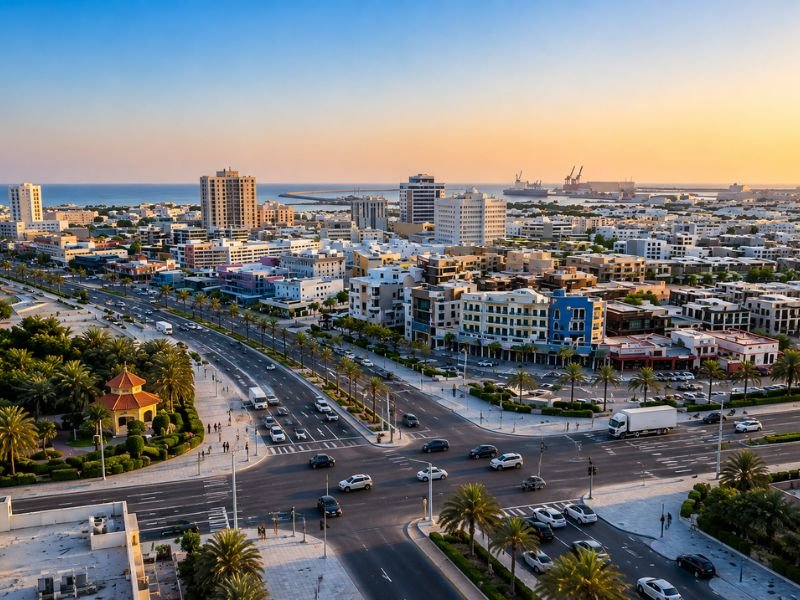
Ras Al Khaimah’s property market entered the second half of 2026 with higher apartment values, stronger rental rates and an extensive pipeline of new residential projects. The latest figures from CBRE Middle East show that the emirate is continuing to attract attention from homebuyers, property investors and developers, although some indicators suggest that the rapid pace of market growth is beginning to ease.
During the first six months of 2026, the average price of an apartment reached AED 2,298 per square foot, up 18% from a year earlier. Villa values increased at a slower rate of 7.3%, while apartment rents advanced by 14.3%.
Alongside these price movements, developers are preparing a substantial volume of new housing. CBRE estimates that more than 34,000 residential units could be completed across Ras Al Khaimah between 2026 and 2030, potentially reshaping the emirate’s property landscape.
Al Marjan Island Records the Strongest Apartment Price Increase
The performance of Ras Al Khaimah’s residential market varied by location, with waterfront destinations registering particularly notable gains.
Al Marjan Island recorded a 23.1% annual increase in apartment prices during the first half of 2026. Al Hamra also experienced substantial growth, with values rising 14.7% over the same period.
The ready-property segment posted gains as well. Prices for completed apartments increased by 11%, while villas in the segment recorded a 10% rise.
These results highlight the differing performance of locations and property types across the emirate. Waterfront communities continue to feature prominently in new development plans, supported by investments in residential amenities, hospitality and leisure facilities.
However, annual price growth does not necessarily mean every property has appreciated at the same rate. Location, building quality, property type and individual transaction characteristics can all influence actual market values.
Housing Pipeline Set to Exceed 34,000 Units
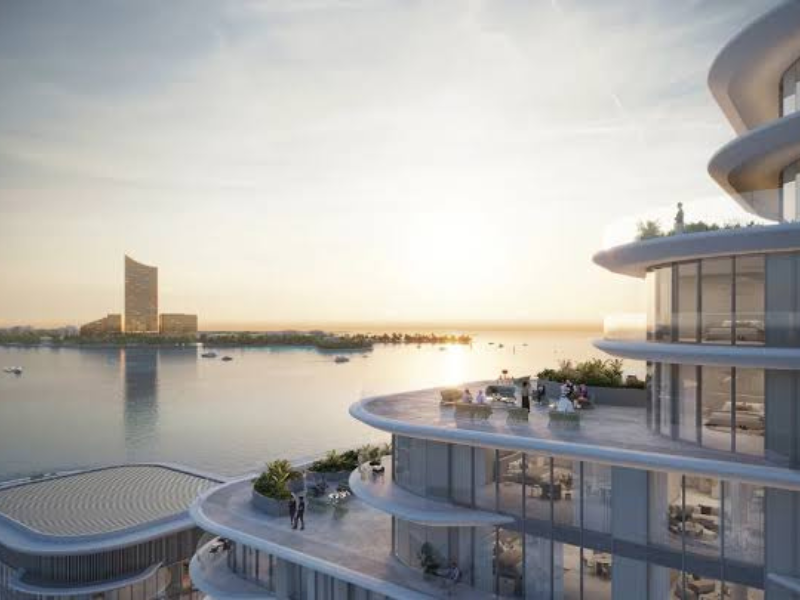
The scale of planned residential construction is becoming an important part of Ras Al Khaimah’s property story. According to CBRE, the emirate could receive more than 34,000 additional homes between 2026 and 2030, including approximately 10,000 branded residential units.
Projects announced during the first half of 2026 illustrate the range of development taking place. RAK Properties introduced The Strand and Lunara, while Beyond Developments announced its AED 25 billion Evermore masterplan. Karl Lagerfeld Beach Residences on Al Marjan Island is another development contributing to the emirate’s premium residential offering.
Branded residences form a significant component of the projected supply. These properties typically combine residential accommodation with a recognised brand identity and a lifestyle-oriented package of amenities or services.
For developers, this segment offers a way to distinguish projects in an increasingly competitive market. For buyers, the appeal may include design, facilities, location and service standards, although the value of these features varies between developments.
The projected increase in housing supply also raises an important question: how quickly will new properties be delivered and occupied? Construction schedules, buyer demand and the pace of new sales will help determine how the additional units affect market conditions over the coming years.
Multi-Million-Dollar Deals Highlight the Luxury Segment
High-value transactions provided another indication of activity in Ras Al Khaimah’s upper-tier residential market during the first half of 2026.
A Sky Palace at Waldorf Astoria Residences was sold for $35.4 million, representing the emirate’s highest-value residential transaction recorded in the period, according to CBRE. A penthouse at the same development changed hands for $15 million, while a Sky Mansion at Mondrian Al Marjan Island Beach Residences achieved a reported sale price of $34.7 million.
These deals illustrate the prices that certain exclusive properties can command. They also reflect a distinct part of the market, where large residences, premium positioning and specialised amenities can influence transaction values.
Nevertheless, a small number of luxury sales should not be treated as a measure of the wider housing market. The performance of more affordable apartments, villas and other residential categories may differ considerably from that of trophy properties.
Hotel Demand Grows as New Hospitality Capacity Takes Shape
Tourism remains closely connected to Ras Al Khaimah’s development plans, particularly in areas where residential communities and hospitality attractions are being developed together.
The emirate recorded 670,400 hotel visitors in the first half of 2026, an increase of 2.7% compared with the corresponding period in 2025. Domestic visitor numbers and arrivals from other Gulf Cooperation Council markets each rose by 47%.
Hotel operating figures, however, presented a less positive picture. Average occupancy was 49%, and revenue per available room fell 28.6% year-on-year to AED 348. Average daily rates moved in the opposite direction, increasing 5.2% to AED 705.60.
The contrasting figures show why visitor growth alone does not provide a complete picture of hotel performance. Occupancy, room pricing and revenue per available room offer additional insight into how effectively hotels convert demand into revenue.
Ras Al Khaimah currently has approximately 9,000 hotel rooms across 60 properties. Plans call for another 8,500 rooms to be added between 2027 and 2030, with more than four-fifths of the expected supply classified as five-star accommodation.
Almost two-thirds of these future rooms are planned for Al Marjan Island. Among the major developments in the pipeline is Wynn Al Marjan Island, an integrated resort scheduled to open in September 2027.
What the Numbers Mean for the Property Market
The latest data presents two developments taking place at the same time: residential prices and rents remain above their year-earlier levels, while the volume of future housing supply continues to grow.
CBRE has also identified a slowdown in some pricing and absorption indicators since late February, following the exceptional growth recorded earlier in the market cycle. Matthew Green, Head of Research at CBRE MENA, has pointed to continued investor interest alongside this moderation.
For Ras Al Khaimah, the coming years will test whether demand can keep pace with the expansion of residential and hospitality development. New tourism attractions, branded projects and infrastructure investment may strengthen the emirate’s appeal, but their long-term effect will depend on actual demand and delivery outcomes.
The projected addition of more than 34,000 homes makes supply absorption an important indicator to monitor. A market that successfully accommodates this pipeline could support further development, while a slower pace of sales or occupancy could create greater competition between projects.
For buyers, investors and developers, the key issue is therefore not simply how much Ras Al Khaimah is building, but how the market evolves as these new properties become available.
END.