Ras Al Khaimah Plans 25,600 New Homes as Apartment Developments Lead Supply Growth
Apartments account for 97% of the upcoming residential pipeline, with 2029 expected to see the largest volume of property handovers.
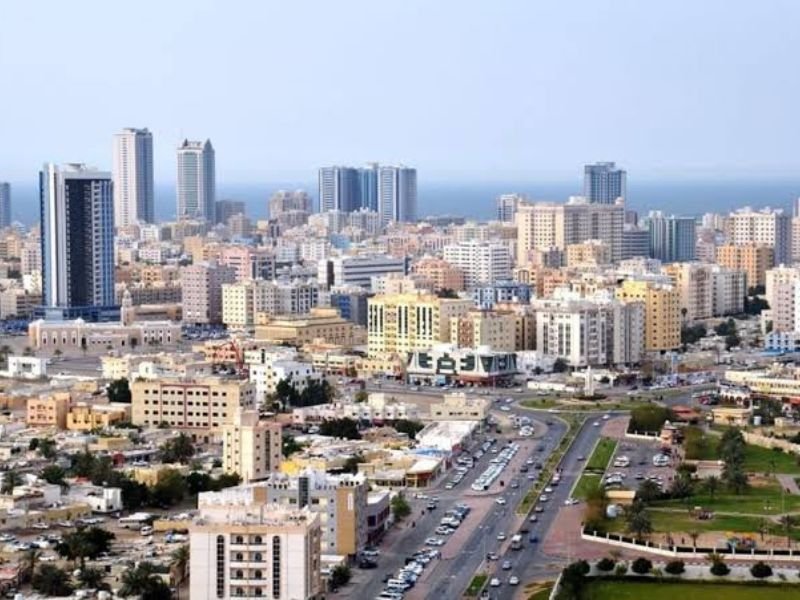
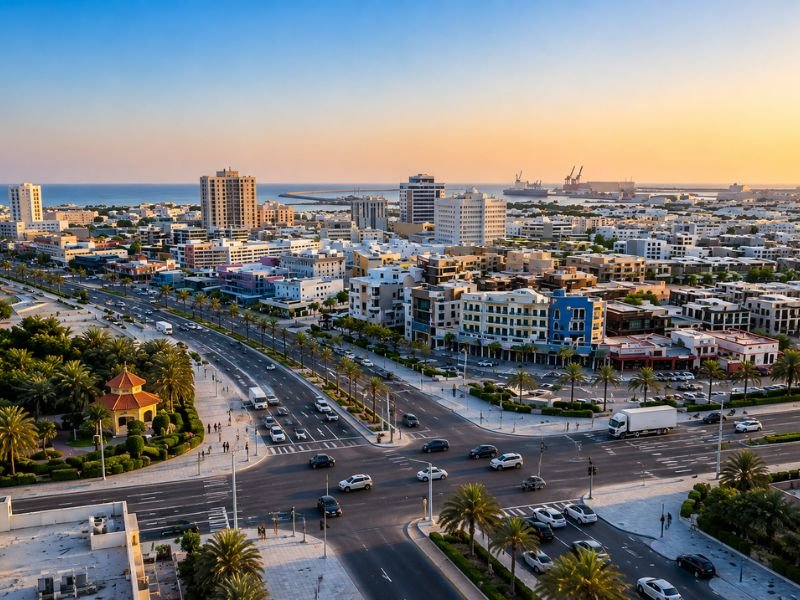
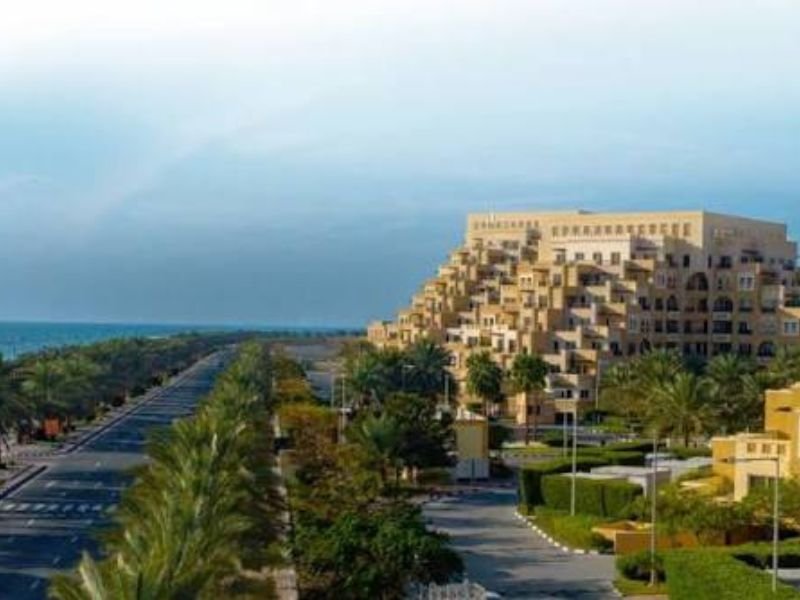
Ras Al Khaimah is preparing for a substantial expansion of its residential property market, with approximately 25,600 homes scheduled to enter the supply pipeline between 2026 and 2030. Apartments are expected to dominate this expansion, accounting for 97% of the planned units, according to property consultancy Cavendish Maxwell.
The figures highlight the scale of development activity underway in the northern emirate as its population grows and investment continues across different sectors of the economy.
During the first quarter of 2026, Ras Al Khaimah completed 170 residential units. A further 1,700 homes are expected to be delivered during the year, while approximately 23,900 additional units are planned for completion between the remaining years of the forecast period and the end of 2030.
2029 Expected to Be a Major Year for Property Handover
The pace of residential deliveries is expected to vary considerably over the coming years. According to Cavendish Maxwell, 2029 could be the busiest year for completions, with around 9,100 homes scheduled to reach the market.
This concentration of future handovers will make construction progress and delivery schedules important indicators for the emirate’s housing sector.
For developers, the growing pipeline creates opportunities to introduce new residential communities and attract different categories of buyers. At the same time, the number of completed homes entering the market could influence competition between projects and the pace at which available properties are absorbed.
Actual delivery figures may differ from current projections depending on construction progress and changes to project timelines.
Apartments Account for Nearly All Planned Housing
Apartments make up the overwhelming majority of Ras Al Khaimah’s projected residential supply, representing 97% of the pipeline identified by Cavendish Maxwell.
This distribution indicates that future development will be heavily concentrated in apartment-based housing rather than villas and other residential formats.
The scale of planned apartment construction will be an important factor to monitor as the emirate expands its residential offering. Demand from permanent residents, property investors and buyers seeking second homes could influence how quickly new units are occupied or sold.
The eventual market impact will also depend on the locations, prices, sizes and specifications of the properties being delivered.
Population Growth Adds to Housing Demand
Ras Al Khaimah’s population was estimated at approximately 450,000 and was projected to increase to 650,000 by 2030, according to the figures cited in the report.
A larger population could increase demand for housing, retail facilities, transport connections and other services. However, population growth alone does not determine the performance of the property market. Household formation, employment opportunities, affordability and the availability of suitable homes will also influence future demand.
The relationship between population growth and new housing supply will therefore be important as developers bring additional units to the market.
Investment Activity Supports the Emirate’s Expansion
Ras Al Khaimah has also recorded investment activity beyond residential property. The emirate attracted AED 39 billion in foreign direct investment across 17 projects in 2025, according to the figures reported by Gulf News.
Capital associated with economic licences increased by 15.5% year-on-year in the first quarter of 2026, reaching AED 11.5 billion.
These indicators point to broader business activity that could support the emirate’s development. New businesses and investment projects can contribute to employment and economic diversification, potentially creating additional demand for residential and commercial space.
Nevertheless, investment figures covering multiple sectors should not be interpreted as direct measures of real estate investment alone.
Housing Supply Will Be a Key Market Indicator Through 2030
Ras Al Khaimah’s planned residential expansion presents both opportunities and questions for the years ahead. A growing population and continued economic development could help support housing demand, while the large number of apartments in the pipeline may increase competition among developers.
The expected concentration of handovers in 2029 makes construction completions, sales activity and occupancy trends particularly important to watch.
For buyers and investors, the emirate’s property outlook will depend not only on the number of new homes announced but also on whether completed developments match market demand in terms of location, pricing and property type.
As Ras Al Khaimah continues to expand, the balance between new supply and genuine housing demand will be a central factor shaping its residential market through the end of the decade.
END.