Dubai's Al Jalila Foundation Building Secures LEED Gold Recognition for Green Operations
International certification highlights the foundation's progress in energy management, water monitoring, waste reduction and creating healthier indoor environments
A building operated by Al Jalila Foundation in Dubai has received LEED Gold certification, recognising its efforts to make everyday operations more environmentally responsible and improve the efficiency of its facilities.
The recognition was granted by the US Green Building Council (USGBC) under its LEED Existing Buildings: Operations and Maintenance (EBOM) programme. The assessment examines how effectively an existing property manages its environmental performance, covering areas such as electricity consumption, water use, waste handling and indoor environmental conditions.
The achievement places greater attention on the role of sustainable building management in Dubai, where energy efficiency and responsible resource consumption are becoming increasingly important considerations for property owners and operators.
Building Operations Meet International Sustainability Standards
Unlike certification systems that primarily assess the design and construction of new developments, the LEED EBOM framework focuses on how buildings perform once they are in operation.
Al Jalila Foundation's facility underwent a 12-month assessment examining its resource consumption, environmental management procedures and the conditions experienced by people using the building.
Water monitoring was one of the areas reviewed. During the assessment period, the facility recorded consumption of approximately 3.16 million gallons. Permanently installed meters were used to monitor drinking water usage and provide monthly consumption information, helping the building management team track resource use more effectively.
The evaluation also considered the systems and procedures introduced to improve energy performance and reduce unnecessary consumption.
Solar Power and Efficient Cooling Support Energy Management
The foundation has introduced several measures to manage its energy requirements more effectively.
These include solar photovoltaic panels installed in parking areas, LED lighting connected to centralised controls and building management systems designed to monitor and regulate building operations. District cooling is also among the solutions used at the facility.
The solar initiative forms part of a wider collaboration with Positive Zero, a regional energy transition company. Announced in 2024, the partnership involves installing, operating and maintaining solar power systems across the foundation's buildings and parking facilities.
Together, these measures support the organisation's efforts to improve energy management and reduce the environmental impact associated with operating its properties.
Recycling and Waste Control Form Part of the Sustainability Programme
Waste management was another important element of the certification process.
The building has designated storage facilities for recyclable materials, including paper, cardboard, glass, plastics and metals. Separate arrangements are also in place for batteries and used lamps to support their appropriate handling.
The facility monitors the amount of waste produced and the proportion diverted from conventional disposal. These practices help identify opportunities to improve recycling and reduce the quantity of material sent for disposal.
Such operational procedures are an important part of maintaining environmental standards beyond the initial construction stage of a building.
Greater Attention to Indoor Environmental Conditions
The assessment also examined the quality of the indoor environment and the experience of people working in or visiting the facility.
An occupant satisfaction survey was conducted alongside tests measuring carbon dioxide and total volatile organic compounds. These indicators help assess aspects of indoor environmental quality.
The foundation has also introduced documented green-cleaning procedures, supported by regular checks and cleaning schedules.
These measures are intended to maintain healthier indoor surroundings while ensuring that environmental considerations remain part of routine facility management.
Foundation Reaffirms Commitment to Sustainable Operations
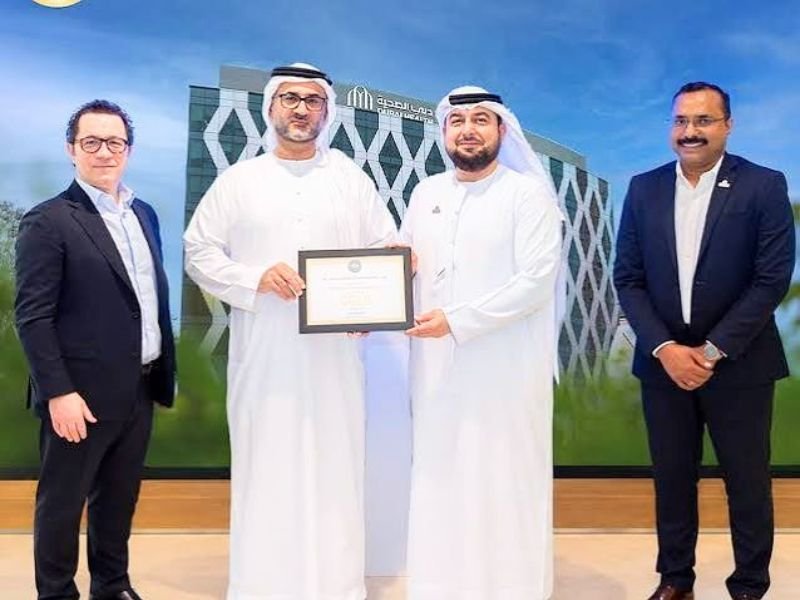
The certification was formally presented by Mohammed Abdulghaffar Hussain, chairman of Positive Zero, to Dr Amer Al Zarooni, chief executive officer of Al Jalila Foundation. The presentation took place during a visit by a Positive Zero delegation, attended by representatives of both organisations.
Al Zarooni said the achievement reflected Dubai Health's commitment to internationally recognised environmental and operational standards.
He also highlighted the foundation's intention to continue introducing solutions that lower energy requirements, improve resource management and limit the environmental footprint of its facilities, while maintaining a positive workplace for employees.
The LEED Gold recognition represents a further step in the foundation's sustainability efforts. It also demonstrates how established buildings can improve their environmental performance through ongoing investment in efficient systems, monitoring and responsible daily management.
END.