UAE Plans New Ajman Power Plant as Housing, Industry and AI Drive Electricity Demand
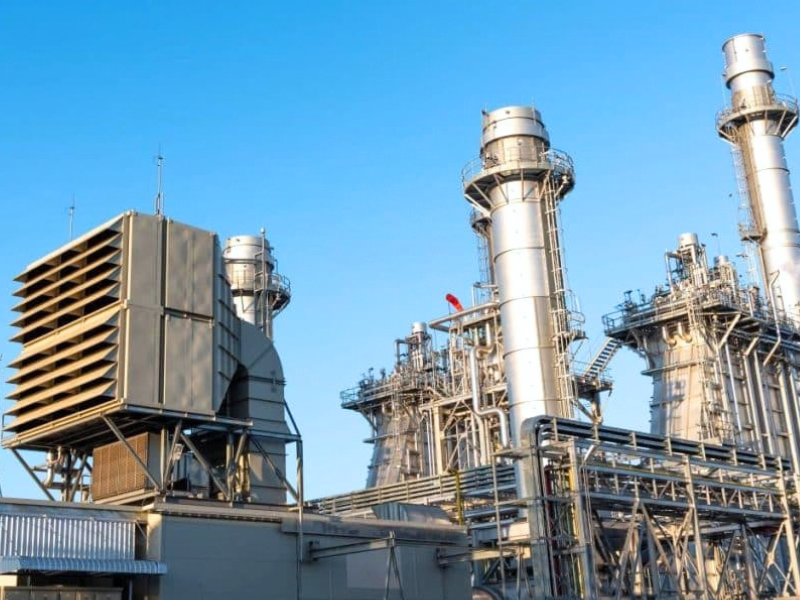
The UAE is preparing to add 2.6 gigawatts of new electricity generation capacity in the Northern Emirates, with the planned Al Zawra power plant in Ajman expected to begin construction in 2027 and enter commercial operation in 2030.
The proposed gas-fired power project comes as Ajman and the wider Northern Emirates experience growing demand for electricity from new residential communities, industrial developments and expanding digital infrastructure.
The project is being developed by Etihad Water and Electricity (EtihadWE), with the utility having signed a reservation agreement with Siemens Energy for the supply of gas and steam turbines for the planned combined-cycle power plant.
The development is expected to strengthen electricity supply in the Northern Emirates while providing additional flexibility to the UAE's power network as renewable energy capacity continues to expand.
Al Zawra power plant to support Ajman's future growth
The Al Zawra project is planned as a combined-cycle gas turbine power plant in Ajman. Construction is expected to start during the first quarter of 2027, with turbine deliveries scheduled for 2029 and commercial operations targeted for 2030.
The project is part of longer-term electricity planning for the Northern Emirates, where population growth and economic development are increasing pressure on existing infrastructure.
UAE Minister of Energy and Infrastructure Suhail Mohamed Al Mazrouei said the project reflects the country's approach of preparing energy infrastructure for future demand rather than focusing only on current consumption.
The additional generation capacity is expected to support the development of residential areas, manufacturing facilities and other electricity-intensive projects across the Northern Emirates.
For Ajman in particular, the investment comes as the emirate continues to expand its residential and commercial base, creating additional requirements for reliable electricity and supporting infrastructure.
Siemens Energy agreement marks key project milestone
EtihadWE has entered into a reservation agreement with Siemens Energy covering the planned supply of gas and steam turbines for the Al Zawra combined-cycle facility.
The agreement was formalised during a UAE delegation visit to Siemens Energy's manufacturing facilities in Berlin in September.
While the agreement represents an important procurement milestone, construction of the power plant has not yet begun.
According to EtihadWE CEO Yousif Al Ali, construction is scheduled to commence in the first quarter of 2027. Turbine deliveries are expected in 2029, followed by the targeted start of commercial operations in 2030.
The timeline means the project is being planned several years ahead of its expected contribution to the electricity network, allowing infrastructure capacity to be developed alongside anticipated demand.
Three major factors are increasing electricity demand
EtihadWE has identified several structural changes expected to influence electricity consumption across the Northern Emirates.
1. Population and residential growth
New housing developments are increasing the number of households connected to the electricity network.
As Ajman and neighbouring Northern Emirates expand their residential communities, electricity requirements are expected to rise across homes, schools, retail destinations, offices and other community infrastructure.
Reliable power supply is therefore becoming an increasingly important component of new urban development.
2. Industrial and manufacturing expansion
The Northern Emirates are also seeing continued investment in manufacturing and industrial activities.
Factories and industrial facilities can have significantly different electricity requirements from residential users, including higher and more consistent loads.
The planned Al Zawra capacity is intended to help accommodate this additional demand as industrial development continues.
3. Artificial intelligence and data centres
The rapid expansion of artificial intelligence is creating another source of electricity demand.
Large-scale data centres require substantial amounts of power to operate computing equipment, cooling systems and supporting infrastructure. Unlike many conventional electricity users, data centres can require power continuously.
EtihadWE has therefore identified AI-ready data centres and the wider digital economy as an emerging consideration in long-term electricity planning.
The growth of digital infrastructure could become increasingly important for the Northern Emirates as the UAE attracts technology companies, cloud infrastructure and AI-related investment.
Why is the UAE building a gas-fired power plant?
The planned Al Zawra plant comes at a time when the UAE is simultaneously investing in renewable energy.
At first glance, adding a gas-fired power station while expanding solar and other clean-energy projects may appear contradictory. However, gas-fired generation can provide electricity when renewable sources are unavailable or when demand rises sharply.
Solar power production, for example, changes throughout the day according to sunlight conditions. A gas-fired plant can adjust its output more flexibly to respond to changes in electricity demand.
This makes gas generation potentially useful as the UAE increases the proportion of renewable energy connected to its electricity network.
EtihadWE has said that gas-fired assets such as Al Zawra can provide dispatchable generation and flexibility during periods of high demand or changes in renewable output.
The plant is therefore being positioned as part of a broader electricity system rather than as a replacement for renewable energy.
Al Zawra and the UAE Energy Strategy 2050
The project is being developed against the backdrop of the UAE's Energy Strategy 2050, which seeks to increase the role of clean energy in the country's overall energy mix.
The UAE is investing heavily in solar power and other lower-carbon energy infrastructure while also developing technologies and systems designed to manage changing electricity demand.
For the Northern Emirates, the challenge is to expand electricity generation and network capacity while new communities, factories and digital infrastructure are being developed.
Al Zawra is expected to form part of that transition by providing additional generation capacity that can operate alongside increasing renewable energy production.
What the Ajman power project means for property development
For the UAE property sector, electricity infrastructure is an important part of long-term urban growth.
Residential towers, villa communities, shopping centres, hotels, offices and industrial developments all depend on reliable power capacity.
The planned Al Zawra facility does not directly represent a residential or commercial real estate development. However, additional electricity-generation capacity can support the infrastructure required for future development across Ajman and other Northern Emirates.
The project's timeline is also significant. With construction expected to begin in 2027 and operations targeted for 2030, the facility is being planned around anticipated future demand rather than today's requirements alone.
This could become increasingly relevant as Ajman's population grows and new residential and mixed-use projects enter the market.
What happens next?
The immediate milestone is the planned start of construction in the first quarter of 2027.
The current project timeline includes:
2027: Construction expected to begin
2029: Planned turbine deliveries
2030: Targeted start of commercial operations
2.6GW: Additional electricity generation capacity planned for the Northern Emirates
The project remains subject to the development and construction process, meaning the announced timeline could change as the project progresses.
A major infrastructure project for the Northern Emirates
The Al Zawra power plant represents a significant planned addition to the UAE's electricity infrastructure at a time when energy demand is being reshaped by residential expansion, industrial growth and the rapid development of artificial intelligence.
For Ajman and the wider Northern Emirates, the project is intended to provide additional generation capacity ahead of future demand.
Its role will become particularly important as renewable energy accounts for a growing portion of the UAE's electricity system. Gas-fired generation can provide a flexible source of power while renewable capacity expands.
With construction targeted for 2027 and commercial operations planned for 2030, Al Zawra is set to become an important part of the Northern Emirates' long-term infrastructure planning and could support the region's next phase of residential, industrial and digital development.
END.