PRYPCO Study Examines How Tokenized Real Estate Can Build a More Liquid Market
New research explores resale, pricing, settlement and regulatory infrastructure needed to expand digital property ownership
Dubai, UAE: PRYPCO Mint has published a new study exploring how real estate tokenization could evolve beyond digital ownership to create a more accessible and efficient market for buying and reselling property interests.
The report, titled “Building Liquidity in Tokenized Real Estate: Lessons from the PRYPCO Mint Pilot in Dubai,” draws on 16 months of operational experience to assess the infrastructure required to support a functioning secondary market for tokenized property.
Its findings suggest that blockchain-based ownership can lower barriers to property investment, but creating lasting liquidity requires more than simply dividing a property into digital tokens.The research highlights strong buyer demand, clear property valuations, streamlined settlement processes, regulatory safeguards and adequate market participation as key requirements for building a mature tokenized real estate market.
The study includes contributions from representatives of the Virtual Assets Regulatory Authority (VARA), Fireblocks and LayerZero, combining PRYPCO Mint's experience with perspectives from the wider digital-asset ecosystem.
From fractional ownership to easier exits
PRYPCO Mint operates through a strategic partnership with the Dubai Land Department (DLD) and became the first platform to work with a government entity to tokenize a property title deed.
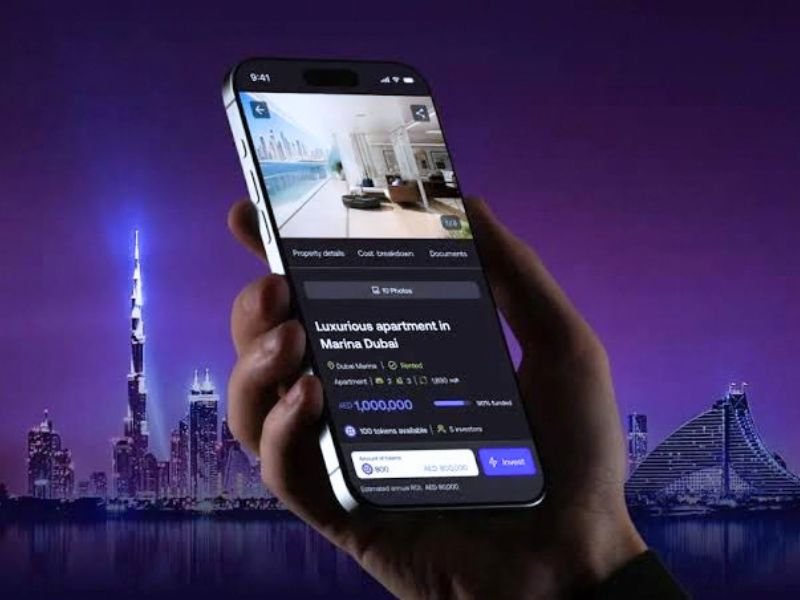
PRYPCO Mint enables investors to purchase fractional stakes in Dubai properties through digital tokens, with the ownership recorded through the government’s official land registry. The platform operates under VARA’s regulatory framework.
Since launching in May 2025, the platform has facilitated more than AED 18.65 million in investments across 10 residential properties. More than 2,600 investors from over 50 nationalities have participated, with around 70% identified as first-time Dubai property investors.
The figures indicate how smaller investment requirements could potentially expand access to Dubai's real estate market by allowing individuals to participate without purchasing an entire property.
Tackling the cost of property illiquidity
A key focus of the report is PRYPCO’s concept of the “illiquidity tax,” referring to the financial burden and limitations investors may encounter when selling or exiting a property investment is not straightforward.
The research examines markets including the UAE, France, Germany and England and states that transaction expenses involved in buying and selling property can reach 8% to 14% of an asset's value, before considering the potential impact of limited selling opportunities, pricing uncertainty or forced discounts.
PRYPCO Mint's secondary marketplace, introduced in February 2026, provides an early example of how tokenized property interests can be resold while remaining connected to the DLD registry.
The report states that property ownership transfers, which may traditionally require several weeks, can be processed through the tokenized model on the DLD registry in around 5–10 minutes
All 10 properties available through PRYPCO Mint have experienced resale activity through its secondary marketplace. The platform has a minimum investment threshold of AED 1,000, enabling investors to participate with relatively smaller amounts.
The report notes, however, that developing consistent and dependable exit opportunities at a much larger scale remains an ongoing stage of market development.
Seven Key Pillars for Developing a More Liquid Secondary Market
The research identifies seven key conditions that could help improve liquidity within tokenized real estate markets.
These include efficient settlement, real-time property valuations, sufficient market depth, market-making mechanisms, cross-listing capabilities, blockchain interoperability and composability.
The combination of these elements could eventually provide investors with greater flexibility in managing their digital property holdings. Depending on the regulatory framework, this could include selling a portion of an investment or potentially using an asset as collateral for financing.
The report separates capabilities already demonstrated through the PRYPCO Mint pilot from those that would require additional infrastructure, development and regulatory approvals.
Blockchain interoperability could widen investor access
Jeroen Gillekens, EMEA Lead at the LayerZero Foundation, highlighted interoperability as an important component of the next stage of tokenized property markets.
His contribution to the report suggests that digital property assets need to be accessible across different blockchain networks and investor communities if they are to reach broader pools of capital.
Fireblocks' Senior Director of Tokenization, Francois Schonken, similarly pointed to the importance of infrastructure surrounding tokenized ownership. Secure settlement, reliable pricing, interoperability and deeper liquidity pools will be important if digital property ownership is to evolve into a more established investment market.
Dubai's registry-led approach
The report also highlights Dubai's model of connecting tokenized real estate with the official property registry.
By involving the Dubai Land Department, the model links digital representations of property interests with legally recognised ownership records. Meanwhile, VARA's regulatory framework provides oversight for the platform and its virtual-asset activities.
According to the research, replicating the approach in other countries would require cooperation between local property registries, regulators and technology platforms, as legal ownership structures and digital-asset rules differ between jurisdictions.
The report was authored by Joseph El Am, Jad Kachmar and Athina Stantzos and focuses on the lessons emerging from PRYPCO Mint's Dubai pilot as the global real estate industry explores the wider potential of tokenization.
PRYPCO's expanding digital property ecosystem
PRYPCO describes itself as a digital real estate ownership platform covering property investment, financing and ownership services.
Its ecosystem includes PRYPCO Mint, its tokenized real estate platform; PRYPCO Blocks, which focuses on fractional property investment; PRYPCO Mortgage, its digital home-financing platform; PRYPCO One, designed for real estate agents; and services covering Golden Visas and wills.
The company's latest research reflects a broader shift in the property sector toward digital ownership models, with tokenization increasingly being explored as a way to lower investment barriers and introduce greater flexibility into traditionally illiquid real estate markets.