Dubai's Ultra-Luxury Property Buyers Look Beyond Traditional Prime Locations
More than 300 homes priced at $10 million or above changed hands in the first eight months of 2026, as luxury demand spreads across Dubai and buyers place greater emphasis on location, lifestyle and long-term value
Dubai's most expensive residential properties are attracting buyers across a growing number of neighbourhoods, signalling a broader distribution of demand within the city's luxury housing market. Although Palm Jumeirah continues to command attention, other established communities and emerging destinations are gaining ground among purchasers seeking high-value homes.
Data analysed by fäm Properties from Dubai Land Department records shows that 335 residential properties priced at $10 million or more were sold between January and August 2026. The transactions included 206 villas worth a combined Dh11.7 billion and 129 apartments valued at Dh8.67 billion.
The figures demonstrate the scale of activity at the top end of the market. However, purchasing preferences are changing, with buyers weighing the characteristics of individual properties more carefully rather than concentrating exclusively on a small group of prestigious addresses.
Palm Jumeirah Retains Its Position in the Luxury Market
Palm Jumeirah continues to attract substantial interest from wealthy property buyers, supported by its waterfront setting, established reputation and limited scope for additional development.
During the first eight months of 2026, the island recorded 35 apartment transactions worth Dh2.18 billion and 28 villa sales valued at Dh1.85 billion. The average transaction values reached Dh62.2 million for apartments and Dh66.2 million for villas.
Its presence across both segments distinguishes Palm Jumeirah from locations that are more heavily associated with one type of property. The island appeals to purchasers seeking completed waterfront villas as well as those interested in luxury apartments with contemporary designs and hospitality-inspired services.
Limited availability also plays a role in its appeal. Where suitable properties are difficult to replace, buyers looking for a particular location or type of home may have fewer alternatives.
Nevertheless, Palm Jumeirah is no longer the only destination shaping Dubai's ultra-luxury residential market. Other communities are attracting attention as the city's premium property landscape expands.
New Locations Are Reshaping Dubai's Luxury Property Map
Dubai's high-value residential activity is becoming more geographically diverse, with different communities attracting buyers for different reasons.
Dubai Hills Estate has established itself as an important location for luxury villas, while Palm Jebel Ali is drawing interest through its newer development opportunities. Jumeirah Second has also gained prominence in the premium apartment segment.
According to research cited in the original market report, Palm Jumeirah accounted for approximately 21% of Dubai's $10 million-plus residential transactions during 2026 up to the reporting period. Dubai Hills Estate represented 15%, followed by Palm Jebel Ali at 11%.
These figures suggest that established addresses continue to matter, but the range of locations competing for affluent buyers is widening.
The distinction between these areas is important. Some purchasers prioritise waterfront living and exclusivity, while others may prefer planned residential communities, newer developments or apartment buildings offering premium services.
For developers, this creates an environment in which location, product design and the quality of the overall residential offering can influence competitiveness.
Branded Residences and Off-Plan Homes Attract Attention
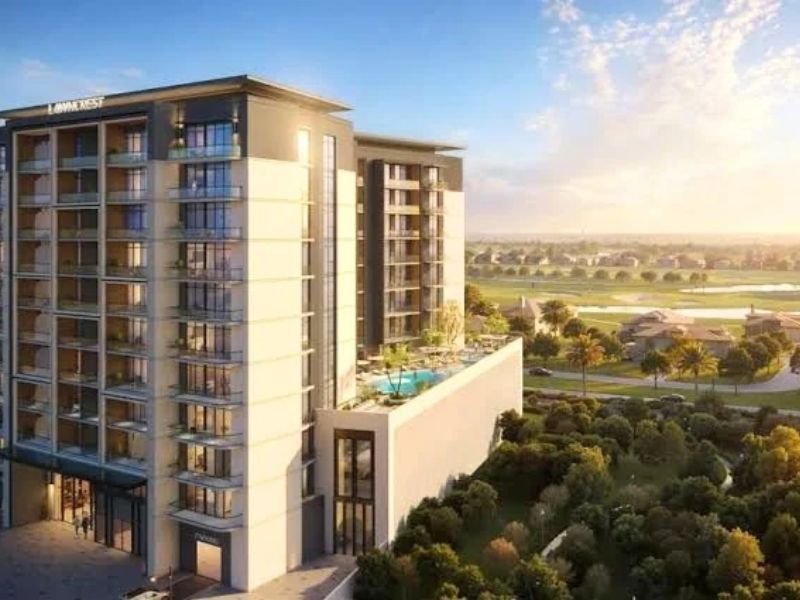
Branded residences are becoming an increasingly visible part of Dubai's high-end housing market. These properties connect residential ownership with a recognised hospitality or lifestyle brand, with the services and amenities varying by project.
New launches have helped expand the range of luxury apartments available to buyers, particularly those interested in modern layouts and professionally managed residential environments.
Off-plan homes also represent a substantial share of activity in the premium segment. Figures cited by Cushman & Wakefield Core indicate that off-plan properties accounted for around 72% of transactions involving homes valued above Dh20 million during 2026 up to the reporting period, compared with 28% for completed properties.
The ready-home market nevertheless remains important. Buyers seeking immediate occupation, an established neighbourhood or a property they can inspect before purchasing may favour completed homes.
This difference means the luxury market cannot be assessed through off-plan sales alone. New developments attract buyers seeking future opportunities, while resale properties serve purchasers who place greater importance on immediate availability and certainty.
A More Careful Approach to Luxury Property Purchases
Despite continued activity in the highest price brackets, Dubai's residential market is showing signs of a more measured pace.
Market participants cited in the original report described longer purchasing decisions and greater caution among buyers during 2026. Uncertainty in the wider economic environment and changes to development launch schedules have also influenced activity in parts of the market.
Data from ValuStrat highlighted a contrast between long-term gains and more recent price movements on Palm Jumeirah. Its price index indicated that villa values had increased by 244% since the pandemic, while apartment values had risen by 125%.
However, the same source reported annual declines by September 2026 of 8.5% for typical villa values and 9.8% for apartment values on the island.
These figures illustrate why longer-term performance and current market conditions should be considered separately. Significant appreciation over several years does not prevent prices or transaction volumes from easing during a subsequent period.
They also underline the importance of examining individual locations and property types rather than assuming every segment is moving in the same direction.
Villa and Apartment Performance Is Becoming More Distinct
Luxury villas and apartments appeal to overlapping but different groups of purchasers.
Prime villas can benefit from limited land availability, privacy and demand for established residential settings. Luxury apartments, meanwhile, are attracting interest through new architecture, branded services and developments in locations that offer a different style of urban living.
The supply outlook also matters. A neighbourhood with limited opportunities to add comparable properties may face different market conditions from an area where a substantial number of new homes are expected.
As more developments approach completion, buyers may have a wider selection of properties to compare. This could increase competition among sellers and developers, particularly where several projects target similar customers.
For investors, the distinction makes it important to evaluate the individual property, its location, expected supply and purchase price instead of relying solely on broad luxury-market headlines.
What the Next Phase Could Mean for Dubai Real Estate
Dubai's ultra-luxury market is entering a period in which buyer preferences and the quality of individual developments may matter as much as the reputation of an address.
Palm Jumeirah remains a major destination for premium property purchases, but Dubai Hills Estate, Palm Jebel Ali and Jumeirah Second illustrate the growing range of alternatives available to affluent buyers.
The market's direction will also depend on the balance between new supply and demand, the delivery of projects already under development and the willingness of buyers to commit at current price levels.
For developers, this environment places greater emphasis on understanding the intended buyer, differentiating projects and aligning launches with market demand. For investors, careful comparisons between locations and property types may become increasingly important as conditions evolve.
Dubai continues to record substantial transactions in its highest residential price bracket. The emerging story, however, is not simply about expensive homes changing hands. It is about a luxury market becoming more diverse, more selective and increasingly shaped by the specific qualities that individual properties offer.
END.