In H1 2026, Abu Dhabi's Real Estate Market Draws Record Foreign Investment
Foreign investment in Abu Dhabi real estate reached Dh13.8 billion in the first half of 2026, while residential sales climbed sharply and off-plan projects accounted for most of the market’s sales value.
Abu Dhabi’s real estate market recorded a strong performance during the first half of 2026, with foreign direct investment reaching Dh13.8 billion, according to data from the Abu Dhabi Real Estate Centre (ADREC).
The figure represents a 309% increase compared with H1 2025 and was higher than the total foreign direct investment recorded across the whole of 2025. ADREC also reported that investors from 116 nationalities participated in Abu Dhabi’s real estate market during the first six months of 2026, compared with 82 nationalities during the same period a year earlier.
Overall real estate transactions in the emirate reached Dh117 billion in H1 2026, an annual increase of 112% in value, while transaction volumes increased by 61.7%. Residential unit sales alone reached Dh70.4 billion, compared with Dh25.3 billion in H1 2025.
Off-plan property dominates residential sales
Off-plan properties remained a major part of Abu Dhabi’s residential market during the first half of the year.
ADREC reported that off-plan transactions represented 89% of residential sales value and 82% of the number of residential deals in H1 2026. The emirate’s 10 leading developers accounted for about 90% of primary off-plan sales by value, while 10 projects represented 43% of residential unit sales.
The strong share of off-plan activity indicates continued buyer interest in projects that are still under development, particularly in established and emerging investment destinations.
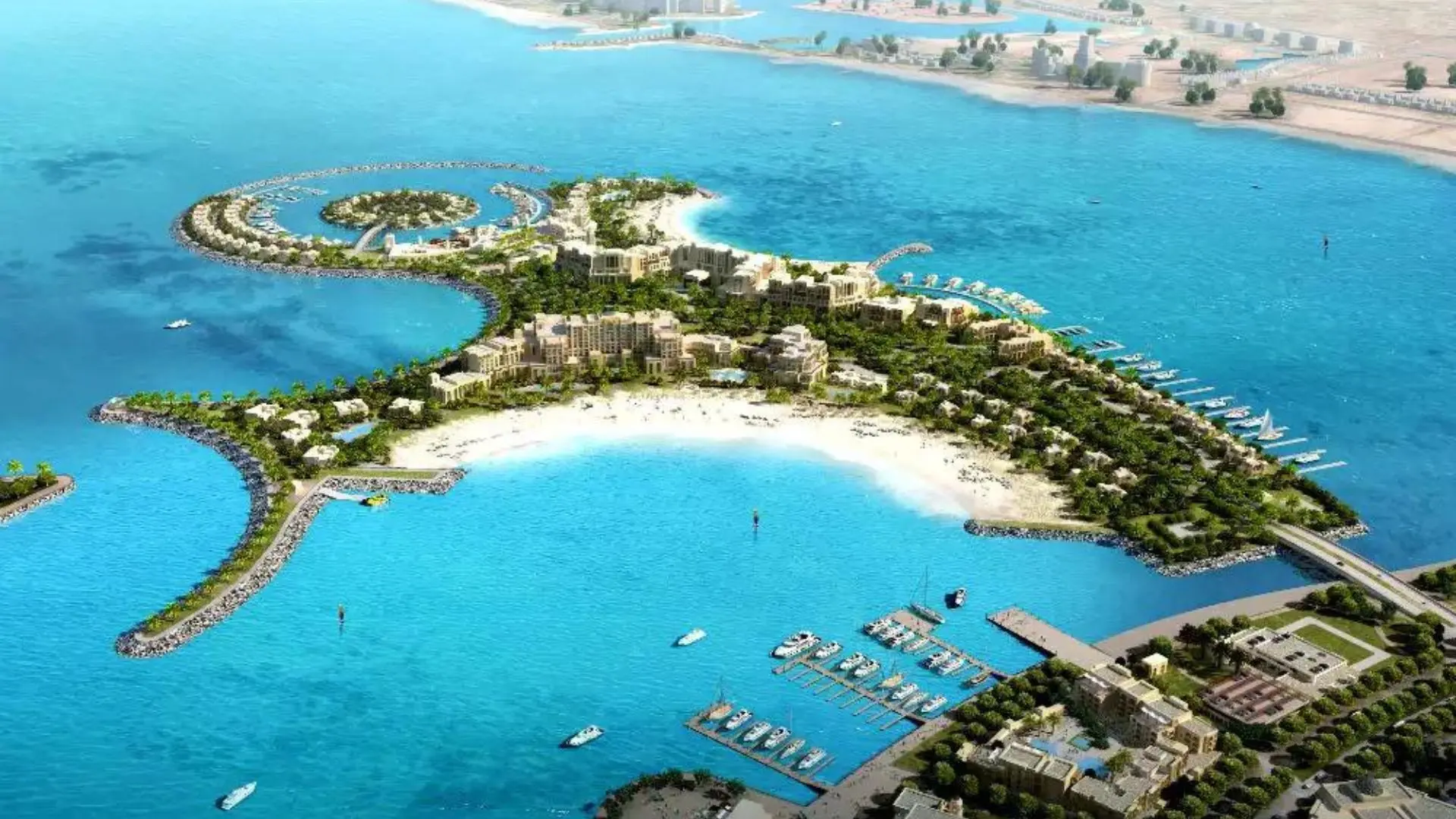
According to ADREC, residential investment was concentrated in several major areas. Hudayriyat Island recorded Dh19 billion in residential sales value, followed by Saadiyat Island with Dh13.3 billion, Al Reem and Al Maryah Islands with Dh10.5 billion combined, and Yas Island with Dh7.3 billion.
Saadiyat and Yas remain important residential destinations
Property price growth was also significant during the first half of 2026.
ADREC reported that repeat-sales prices increased by 20% year on year for apartments and 12% for villas. The data reflects resale price movements across Abu Dhabi rather than a price increase for every individual property or community.
Saadiyat Island and Yas Island continued to attract strong attention because of their established residential communities, leisure facilities, tourism infrastructure and ongoing development activity.
Market experts cited in industry commentary have linked the performance of these destinations to factors such as limited availability in selected areas, lifestyle amenities, master-planned development and international buyer demand.
At the same time, the concentration of activity in major destinations means that performance can differ considerably between communities and individual projects. Market-wide figures should therefore not be interpreted as guarantees of future price growth.
International investor interest continues to widen
The expansion of Abu Dhabi’s foreign investor base was another notable feature of the H1 2026 market.
ADREC said non-resident investors from 116 nationalities participated during the period, compared with 82 nationalities in H1 2025. The United Kingdom, China, Russia, the United States, Germany and France were among the leading sources of foreign direct investment.
The broader international participation comes as Abu Dhabi continues to expand investment zones and develop residential, tourism, cultural, commercial and infrastructure projects.
During H1 2026, ADREC approved eight additional investment zones, taking the emirate-wide total to 50. The regulator also registered 28 new real estate projects during the period.
Supply and future project deliveries remain important
Despite strong transaction and price-growth figures, future supply will be an important factor for the market.
ADREC estimates that Abu Dhabi has approximately 409,000 residential units, with around 71,000 additional units projected by 2030. The regulator expects deliveries to peak in 2028.
This means the market’s ability to absorb new homes as projects are completed will remain an important consideration for developers, investors and buyers.
The continued expansion of supply could also create greater choice across different price points and locations, while demand conditions may vary between established communities and newer development areas.
What buyers should check before purchasing
Strong market growth does not remove the need for individual property due diligence.
Buyers considering an off-plan property in Abu Dhabi should check whether the development is properly registered, whether the developer and broker are appropriately licensed, and whether the property is being marketed through the required regulatory channels.
ADREC states that registered off-plan projects must have an approved escrow arrangement, while Madhmoun provides a verified platform for property listings. ADREC also states that licensed brokers are permitted to advertise properties through the regulated system.
Buyers should also review the sale and purchase agreement, payment schedule, service charges, completion provisions, ownership arrangements and other transaction terms before committing funds.
Abu Dhabi property market enters the second half of 2026
Abu Dhabi entered the second half of 2026 with strong transaction activity, record foreign investment for the first six months and continued demand for residential projects.
However, future market performance will depend on several factors, including the pace of new project deliveries, population and economic growth, international investment demand and the market’s ability to absorb additional housing supply.
The H1 figures provide a strong snapshot of activity during the first six months of the year, but they should not be treated as a guarantee that the same rate of growth will continue through the remainder of 2026.
For buyers and investors, the key consideration remains the individual property, project, developer, location and transaction terms rather than headline market growth alone.
END.