Dubai’s Luxury Property Market Shifts Towards Wellness-Focused Living
Healthier indoor environments, better sleep, natural lighting and community amenities are emerging as important considerations in the next generation of premium residential developments.
Dubai’s luxury real estate market is beginning to place greater importance on how homes contribute to residents’ everyday wellbeing, moving beyond traditional measures such as prestigious addresses, premium finishes and architectural design.
For a growing segment of the market, the appeal of a luxury home increasingly extends to the quality of life it offers. Indoor comfort, access to wellness facilities and thoughtfully designed living spaces are becoming part of the conversation around premium residential properties.
This shift reflects a broader change in buyer expectations, with health, comfort and long-term wellbeing gaining attention alongside location, design and investment value.
Wellness Becomes an Important Part of Luxury Real Estate
The expansion of the global wellness economy is creating new opportunities for property developers to rethink residential design. According to figures cited by the Global Wellness Institute, the UAE's wellness economy reached $40.8 billion in 2024, following annual growth of 14.3% between 2019 and 2024.
Wellness real estate has also attracted growing attention, with the sector reaching an estimated $14.6 billion in 2025, according to the same institute.
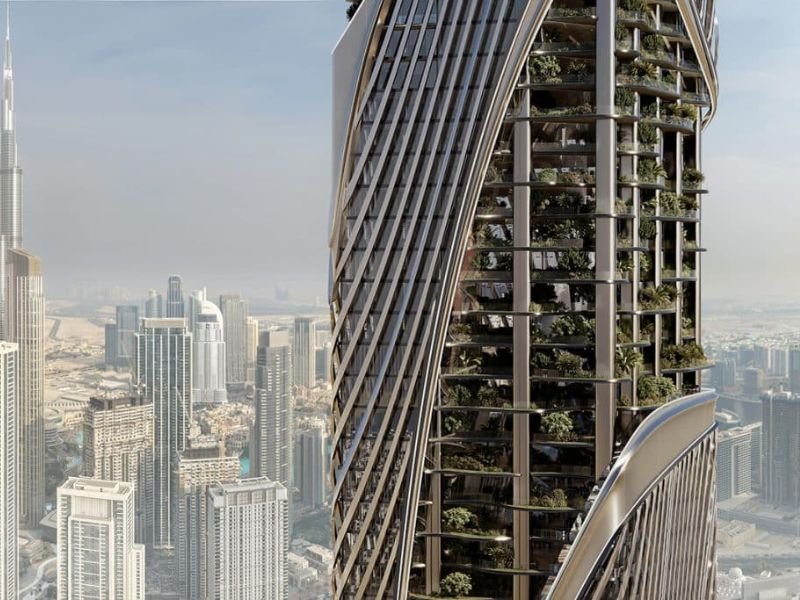
These developments indicate that wellbeing is becoming an increasingly important consideration across industries, including residential property. In the housing sector, this can translate into projects that incorporate fitness facilities, landscaped outdoor areas, quiet spaces and features intended to improve the indoor living environment.
For Dubai developers, the opportunity lies in integrating these elements into the design and functionality of homes rather than treating wellness as an additional luxury feature.
Indoor Comfort Takes Centre Stage
People spend a substantial proportion of their time inside homes, offices and other buildings, making indoor environmental quality an important aspect of everyday living.
As a result, residential design is increasingly considering factors such as ventilation, temperature control, noise reduction and access to natural daylight. These features can influence how comfortable a home feels and how effectively residents can rest, work and carry out daily activities.
Lighting is another important consideration. Well-planned daylight access and suitable artificial lighting can help create spaces that better accommodate different activities throughout the day.
Similarly, effective sound insulation can make bedrooms and living areas more comfortable, particularly in busy urban environments. Reliable temperature control and suitable ventilation can also contribute to a more pleasant indoor atmosphere.
For luxury homebuyers, these practical features may become just as important as visual design when comparing residential developments.
Residential Design Expands Beyond Traditional Amenities
Swimming pools, gyms and landscaped gardens have long featured in premium residential projects. However, the growing interest in wellness is encouraging developers to consider how different elements of a building work together to support everyday routines.
Future-focused residential concepts may include spaces for exercise, relaxation, social interaction and quiet time, alongside design features that encourage residents to remain active and connected.
Community facilities can also play a role by giving residents opportunities to meet, participate in shared activities and build stronger social connections within their neighbourhoods.
For families and professionals, developments that combine comfortable private spaces with accessible shared amenities may offer a more comprehensive residential experience.
The emphasis is therefore shifting towards how people use and experience their homes over time, rather than relying solely on a property's appearance or list of facilities.
Dubai’s Longevity Ambitions Add Momentum
The UAE's growing focus on healthy ageing and preventive wellbeing is also influencing the wider conversation about the built environment.
Dubai established the Dubai Longevity Authority in 2026 to advance its ambitions in longevity, research, healthcare innovation and healthy life expectancy. The initiative provides a broader policy context for discussions about how everyday environments can contribute to wellbeing.
Within real estate, this creates an opportunity for developers to consider the relationship between residential design, environmental quality and residents' daily experiences.
However, wellness-oriented design should be supported by practical features and appropriate evidence rather than marketing claims alone. Better ventilation, suitable lighting, effective noise control and functional green spaces are more meaningful when they deliver tangible benefits for occupants.
As interest in wellness-focused housing grows, transparency about the features and performance of individual developments will be important in helping buyers make informed decisions.
What This Means for Dubai’s Property Developers
The changing definition of luxury could influence how developers position their residential projects and differentiate them in a competitive market.
Premium finishes and attractive locations will continue to matter, but some buyers may increasingly evaluate properties according to comfort, functionality, access to amenities and the overall residential environment.
Developers that incorporate these considerations early in the planning process may be better positioned to respond to changing preferences. This could also encourage greater attention to energy efficiency, responsible water use, climate-appropriate landscaping and the long-term operation of residential buildings.
Nevertheless, wellness features alone do not guarantee higher property values, stronger rental returns or better investment performance. Outcomes will continue to depend on factors such as location, pricing, construction quality, market conditions and buyer demand.
A New Dimension of Luxury Living
Dubai's luxury housing market is entering a phase in which the residential experience is becoming an increasingly important part of a property's appeal.
The focus is broadening from architectural distinction and premium interiors towards homes that combine design with comfort, functionality and access to wellbeing-focused amenities.
For developers, this represents an opportunity to rethink how residential spaces serve their occupants. For buyers, it offers another way to assess what makes a property desirable beyond its address and appearance.
As expectations evolve, wellness could become a more prominent feature of Dubai's premium residential landscape. The long-term significance of this shift will depend on how effectively developers translate wellness concepts into practical, measurable improvements in the places where people live.
Source: Market figures and policy context attributed to the Global Wellness Institute and the Dubai Longevity Authority, as reported in Arabian Business Brand View.
END.